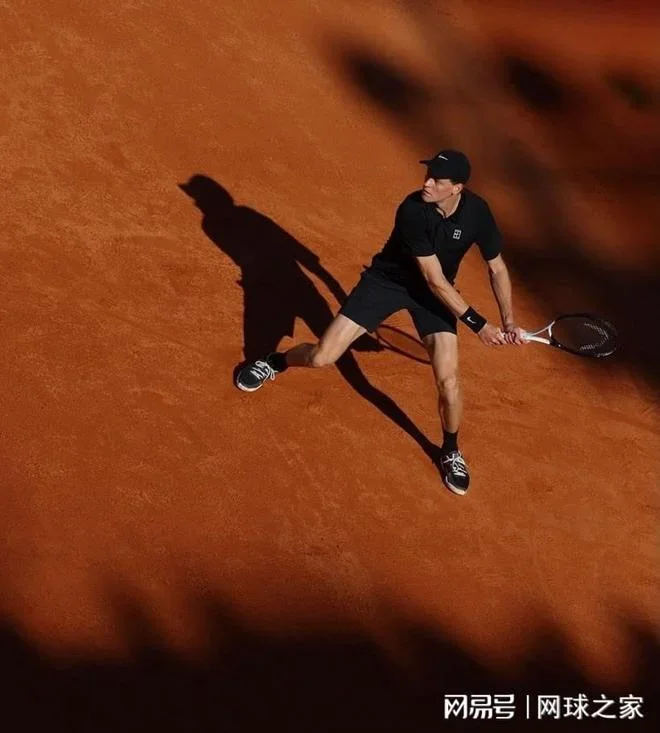

Last night at the Rome Masters, Jannik Sinner dispatched compatriot Pellegrino 6-2, 6-3 in just 90 minutes, tying Novak Djokovic’s 2011 record of 31 consecutive ATP Masters 1000 wins. He’s now one win away from sole possession of the record and just three wins from becoming a “Golden Master.” It was a clinical, ruthless performance.
You can call it dominance, you can call it terrifying—or you can call it historic. But perhaps the real question is: when a player wins so effortlessly, how many others are still even trying in this classroom?
To talk about the landscape, look at those who should be shaping it.
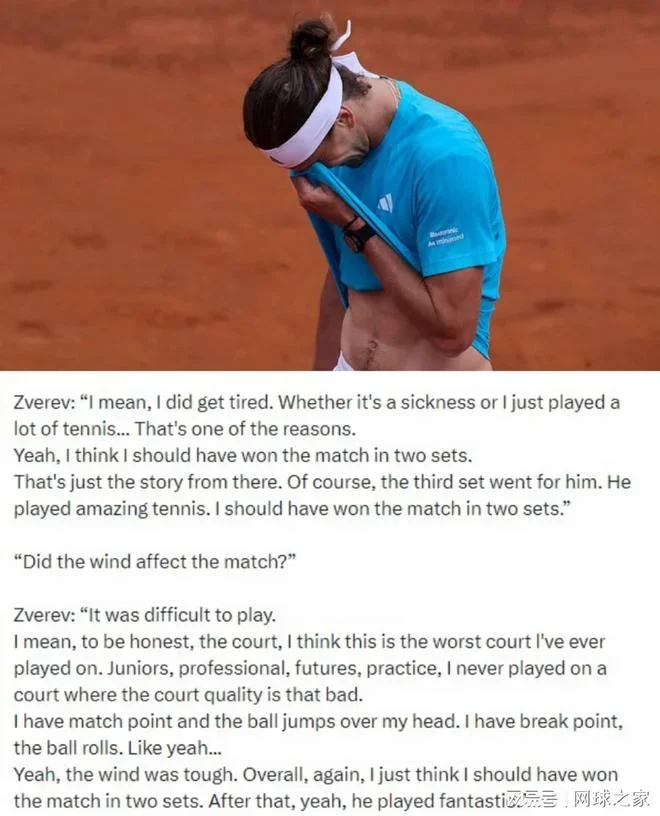
World No. 3 Alexander Zverev, after being swept in 57 minutes by Sinner in Madrid, admitted to a stark two-tier divide: Sinner alone at the top, then a second tier including Alcaraz, himself, and maybe Djokovic—everyone else below. But what happened next? In the fourth round in Rome, Zverev led qualifier Darderi 6-1, 5-3, 40-0 with four match points. He lost the tiebreak, then dropped the decider 0-6. Afterwards, he blamed the court and wind. The world No. 3, a two-time Rome champion, collapsed from four match points against a player who had never beaten a Top 10 opponent. It wasn’t just an upset—it was a total breakdown.
This list could go on.
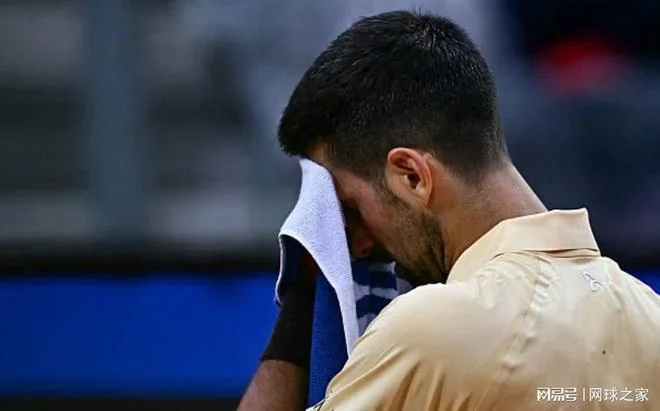
Novak Djokovic, world No. 4, skipped Madrid and exited Rome early. At 38, his body increasingly answers time’s questions with absence. The giant who once matched Nadal on clay can no longer hold until a Sinner meeting.
Other top names: Felix Auger-Aliassime won one match in Madrid, then out in Rome first round. Ben Shelton went winless in both clay Masters. Taylor Fritz, world No. 7, has been invisible throughout the clay season. Alex de Minaur exits tournaments early—regardless of draw, it’s about competitiveness. Daniil Medvedev, world No. 9, reached the Rome quarterfinals, beating Tirante 6-3, 6-2, but admitted earlier this year that Alcaraz and Sinner are in another dimension. A former world No. 1 and Grand Slam champion isn’t being modest—he’s acknowledging a reality he can no longer break.
Lorenzo Musetti, world No. 10, lost at home in Rome to Casper Ruud, will drop out of the Top 10 next week—and then has defending French Open semifinal points. And what about the hoped-for disruptors? Arthur Fils, after a Madrid semifinal, retired after four games in Rome. Holger Rune abandoned his planned comeback in Hamburg, pushing it to grass.
Carlos Alcaraz? That hurts most. After winning the Australian Open, he became the youngest male player to complete a career Grand Slam—but then crashed early in the Sunshine Double, injured himself, and withdrew from Rome and the French Open. Sinner’s biggest rival on clay never even made it to the credits.
Put the pieces together: Djokovic is aging, Alcaraz is injured, Zverev is mentally fragile, the middle generation is mediocre, and the next generation hasn’t arrived. Each factor alone is nothing new, but they’ve all converged in the 2026 clay season.
Rafael Nadal once said: “In sports, if you don’t have real rivals, your achievements can be devalued. If you have no rivals for a long time, you might become mentally lazy—you don’t need to keep improving to keep winning. That’s sometimes a bad thing.”
“Devalued”—a 22-time Grand Slam champion, forged in battles with Federer and Djokovic, knows exactly what he’s talking about. Now he watches Sinner driving alone on a clear road. He sees undoubted power, but also the unsettling emptiness behind it.
When French media compare this year to 2009, when Nadal lost to Soderling and Federer seized his career Grand Slam, the question becomes: who is this year’s Soderling? Fils? He’s injured. Rune? He’s already left for grass. Zverev? He crumbles under a breeze. In 2009, an underdog could rise. In 2026, you can’t even find a candidate.
A sport can have a superhero, but it can’t have only one. That’s not disrespect to the king—it’s the king himself, perhaps, yearning for a real, threatening gunfire in the wilderness.